Workshop de Iniciação
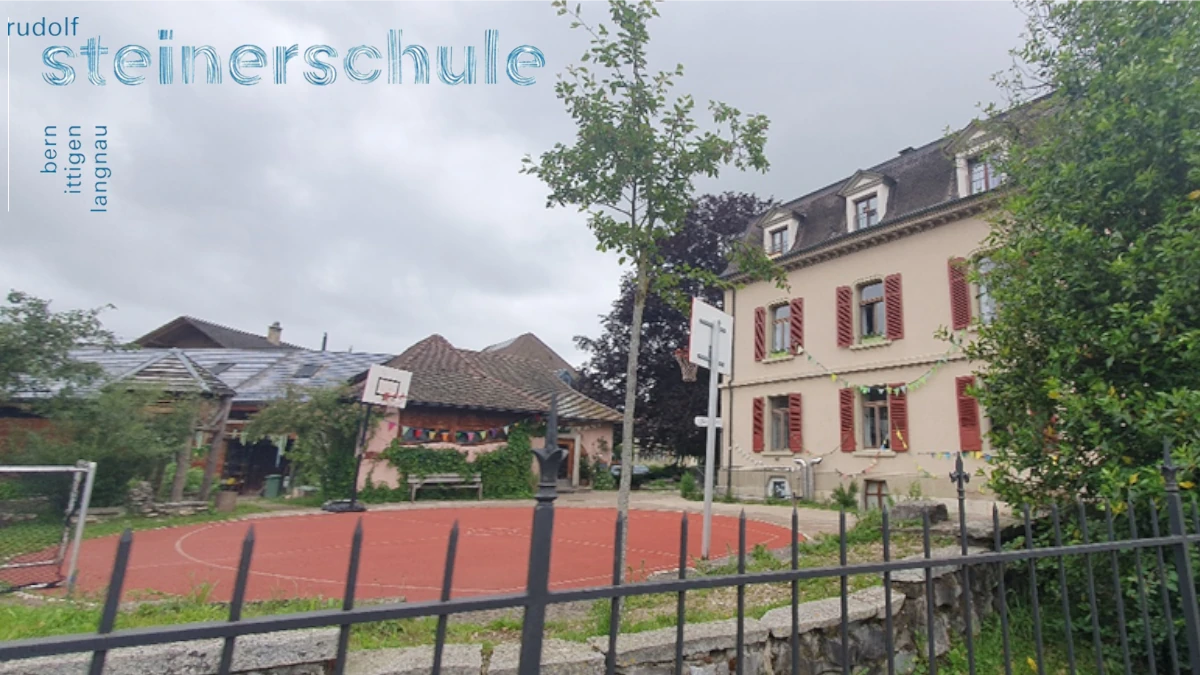
Workshop de Iniciação «Música das Plantas» com Christian MICHAEL e Elisabeth Traunbauer
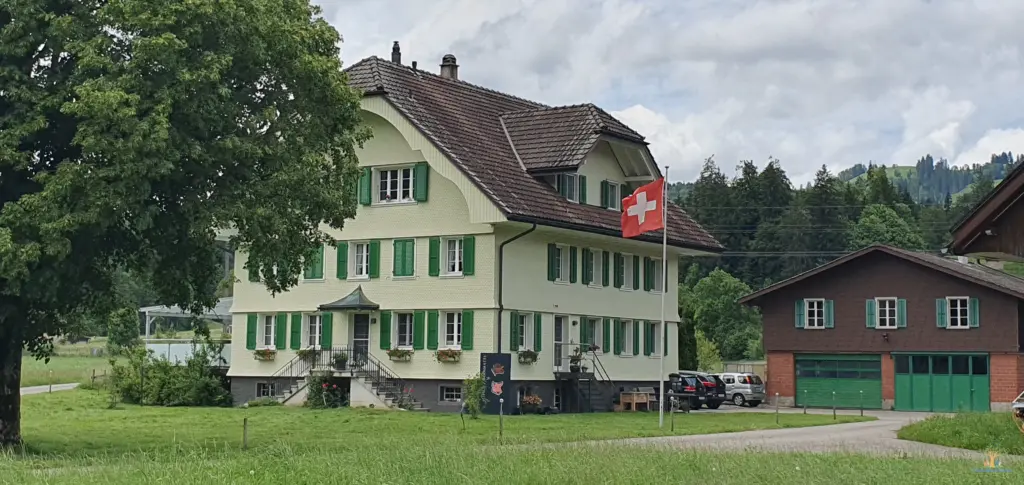
Percorremos paisagens montanhosas com casas de arquitetura muito particular, muitas bandeiras suíças, e chegamos a um edifício que, com as suas bandeirinhas coloridas à volta da varanda, nos lembra muito a Villa Kunterbunt da Pippi Langstrumpf:
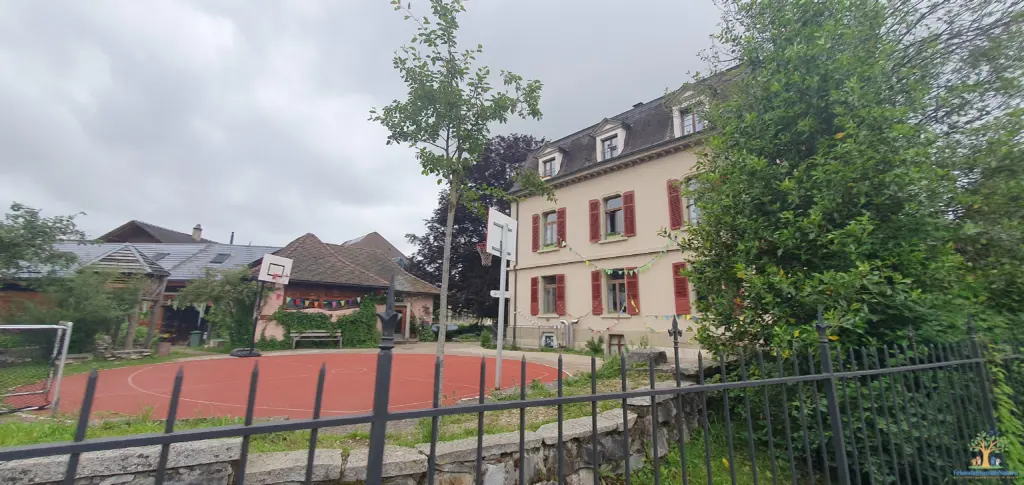
A diretora da escola, a Sra. Marianne Wey, dá-nos as boas-vindas de forma calorosa, acompanhada do seu cão «Shany», e conduz-nos por esta escola com um design encantador. Podemos ver as salas de aula criativas e encontramos quadros artisticamente decorados pelos professores, preparados para preparar os alunos para o nosso workshop:
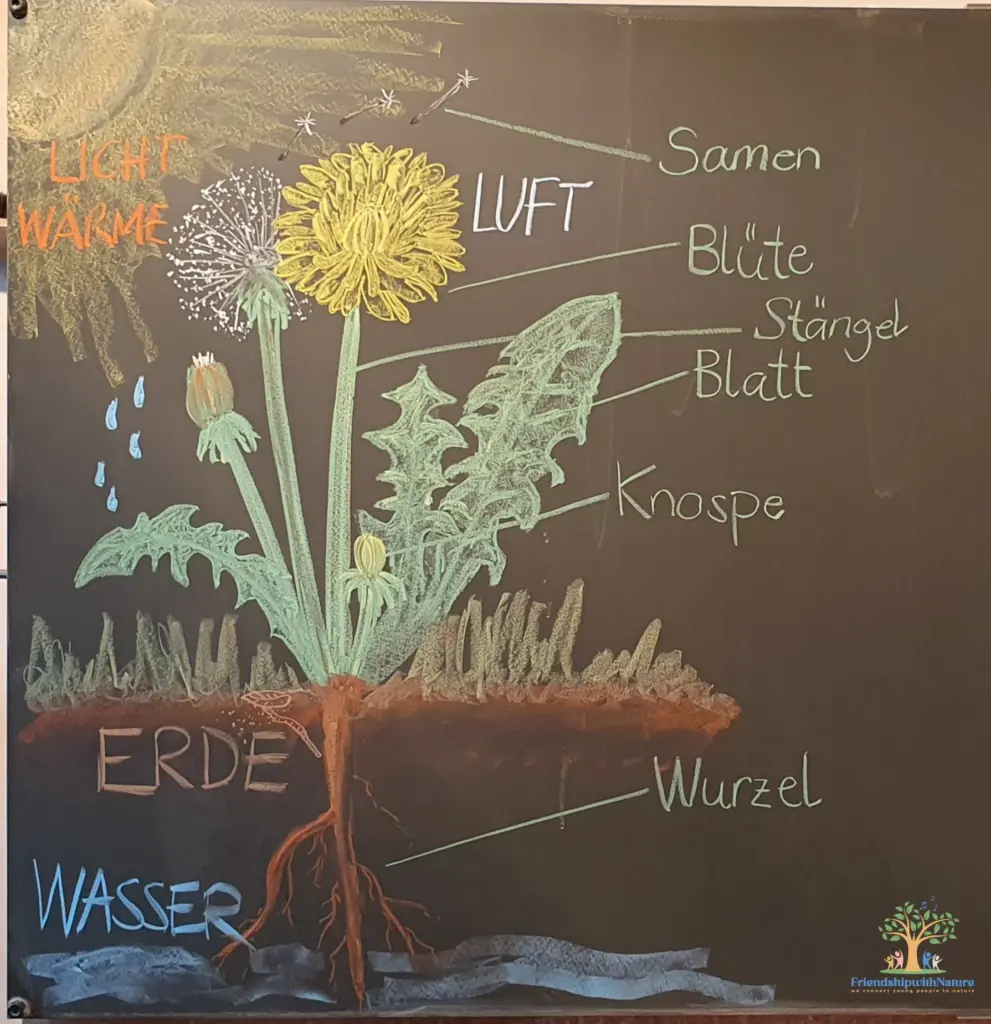
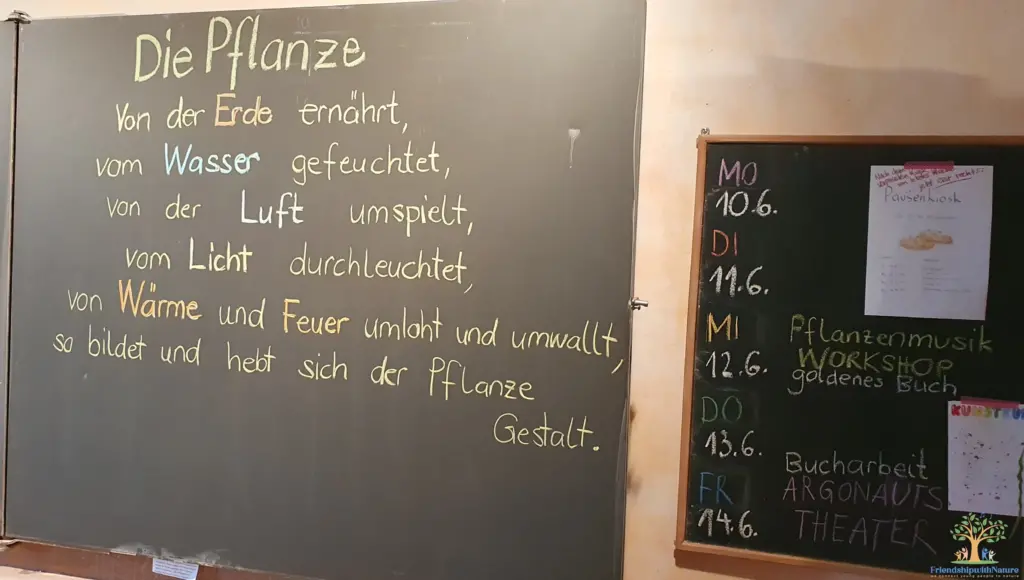
Em seguida, ela mostra-nos a sala para o workshop, no sótão do edifício anexo.
No sótão, que de resto funciona como sala de euritmia, encontramos, sentadas em círculo, cerca de 30 crianças com idades entre os 10 e os 12 anos (4.º ao 6.º ano):
8h30-9h00 Christian MICHAEL, munido de dois discos de madeira de lariço e material ilustrativo, apresenta em dialeto suíço-germânico os resultados mais recentes da investigação sobre a planta carnívora Venusa-mosca, as trepadeiras-camaleão e a interação entre as árvores na floresta. Descobrimos que a comunicação das plantas funciona até mesmo com o mundo dos fungos. Em seguida, é a vez das crianças investigarem:
9h05-9h25 Grupo de investigação «ei´s»
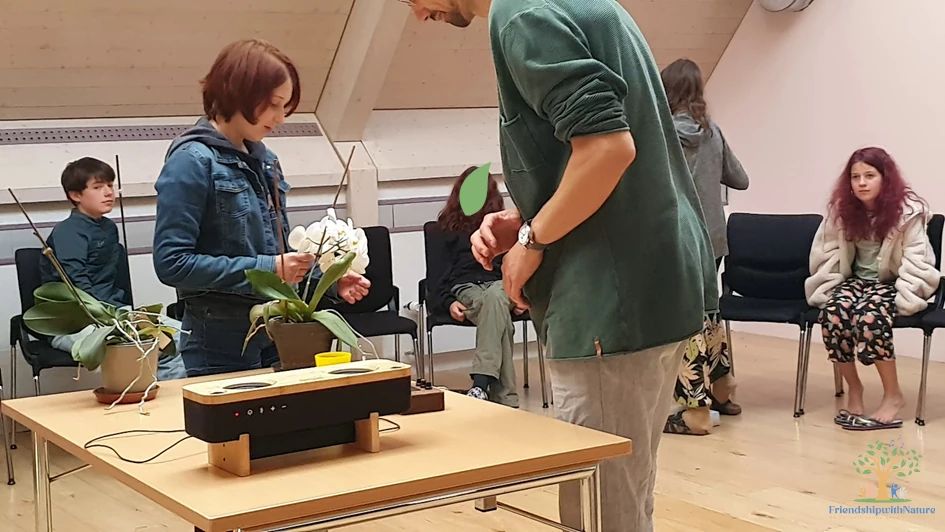
Um grupo de investigação composto por 7 ou 8 crianças experimenta o dispositivo TreeMuse, recentemente desenvolvido pela Friendship with Nature e pelo Human Research Institute da Estíria (Weiz, Áustria). Cada um dos presentes pode experimentar por alguns minutos sozinho, enquanto os outros estão surpreendentemente presentes: escutam, observam e criam o espaço para a interação entre a música da planta e a criança ou o jovem investigador no seu meio.
9h25-9h45 Grupo de investigação «zwoi»
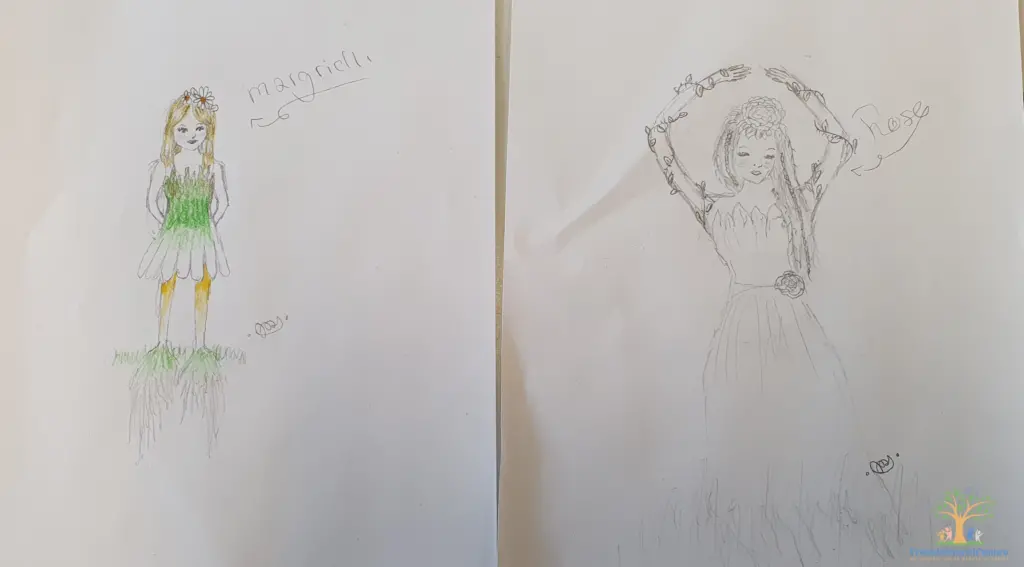
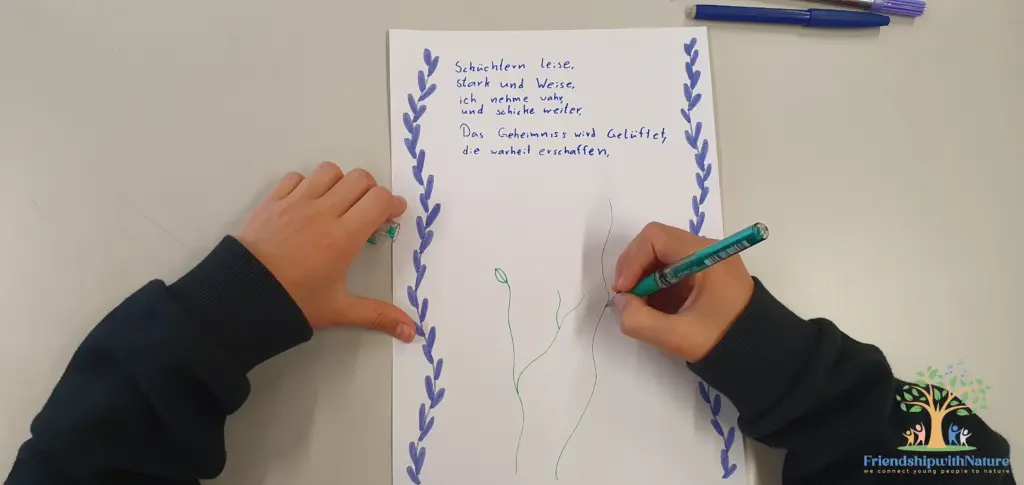
Entretanto, os outros grupos de investigação processavam as suas experiências e impressões no piso inferior. Um dispositivo de música vegetal toca ali numa planta de interior, enquanto as crianças/jovens pintam as suas impressões ou escrevem poemas sobre o que viveram.
9h50-10h10 Pausa (em suíço: «z’Nüni»)
Intercâmbio animado entre o orientador do workshop e os pedagogos.
As crianças correm no pátio, balançam-se debaixo da faia ou brincam no seu próprio campo desportivo. No pátio da escola, os alunos do ensino secundário vendem pão de alecrim caseiro e rolos de folhado de espinafres.
10h15-10h35 Grupo de investigação «drü»
10h35-10h55 Grupo de investigação «via»
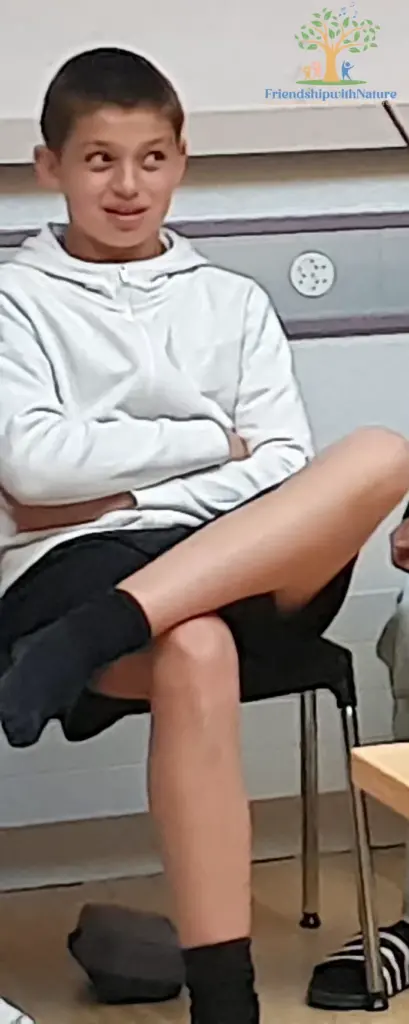 | Após algum ceticismo inicial sobre se se tratava apenas de programas musicais pré-gravados, as crianças ficaram entusiasmadas com a investigação e cada uma delas esteve em contacto com a planta durante cerca de 3 minutos. Cantar, falar, bater palmas, tocar tambores, fazer música em interação com a música dos seres vivos nos vasos de flores. Improvisações espontâneas, variações rítmicas e «intervenções» divertidas das duas orquídeas, bem como da aloé vera, que um professor de uma turma ainda trouxe, acabaram por convencer até o último cético. |
Durante a fase experimental, surgiram ideias aos jovens:
Arrancar a cabeça da orquídea Acariciar
a planta Arrancar uma folha da planta Regar
a planta Insultar a planta Dizer
palavras carinhosas à planta Expressar sentimentos de rejeição Tocar-lhe com instrumentos musicais
Intervenção de Christian M.: «Não é possível arrancar uma flor ou uma folha. Mas podem imaginá-lo com toda a intensidade, pensar nisso, entrar nos sentimentos e observar como a orquídea reage.»
Um jovem quis insultar a planta, que voltou a calar-se.
Pensamentos de causar danos à planta, assim como insultos proferidos, associados a intenções destrutivas, fizeram-na calar-se abruptamente. Em seguida, sentimentos de carinho comunicados de forma honesta e sincera pela planta fizeram-na voltar a soar.

Isto impressionou profundamente os jovens e também os observadores presentes na sala.
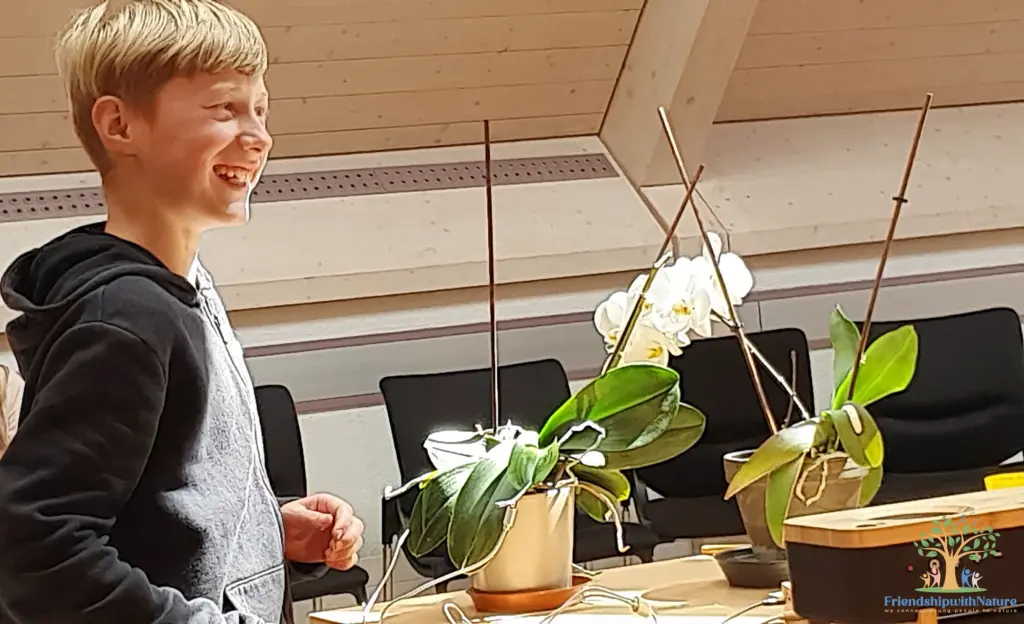
A comunicação com a planta como reflexo da convivência no mundo humano, no quotidiano escolar e com os colegas de turma foi claramente percetível várias vezes ao longo do workshop.
11h00–11h45 Encerramento conjunto *Ouvir a música da faia no jardim da escola *Os educadores e educadoras abraçam a árvore, observamos uma mudança na música, através de tons mais 1.ª tentativa de alcançar um ciclo fechado entre as crianças e a faia da escola: as crianças ficam de mãos dadas em círculo à volta da faia com cerca de 200 anos no jardim da escola. 2.ª tentativa na sala de aula: No chão de madeira seca, de volta ao interior, ficou bem claro que, assim que uma criança soltava a mão de outra, o circuito era interrompido e a planta calava-se. Experiência bem-sucedida! *Cada criança pôde dizer uma palavra final sobre o workshop: desde «mais ou menos» a «emocionante» e «Uau!», houve de tudo. | 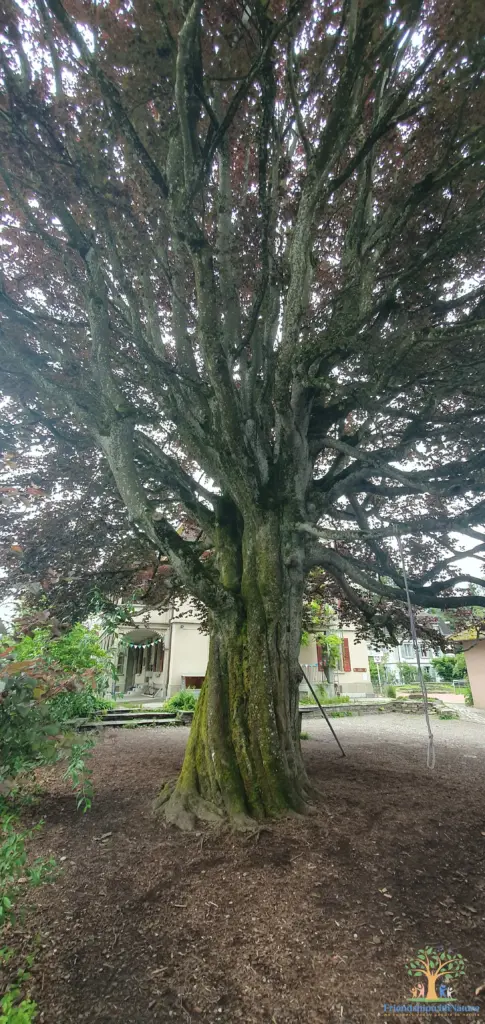 |
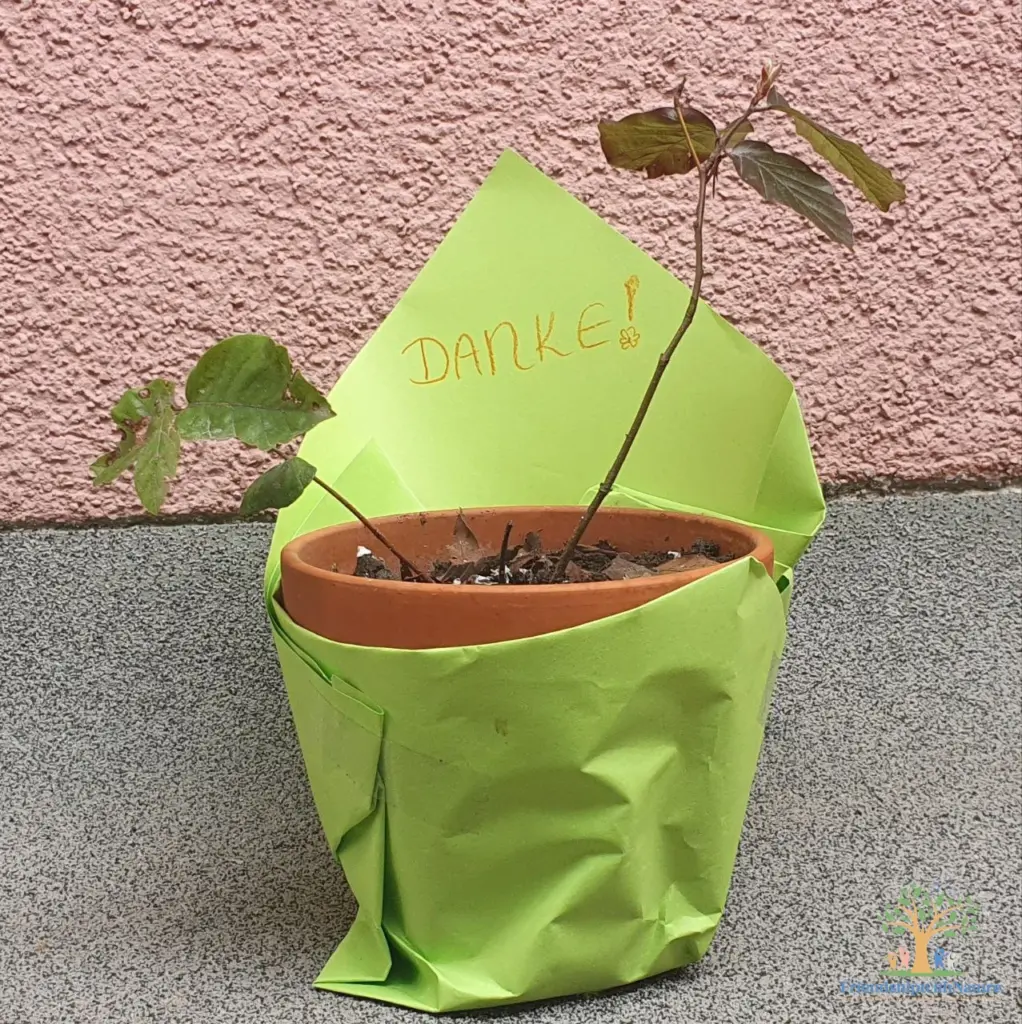
Duas mudas da faia de 200 anos do pátio da escola, como agradecimento da Escola Rudolf Steiner de Langnau pelo workshop de lançamento do Friendship with Nature.